What Is Fever? Understanding the Body’s Natural Defense System and Immune Response

What Is Fever? Illness or Your Body’s Defense System?

Woman experiencing fever symptoms including chills and headache

What Is Fever? Illness or Your Body’s Defense System?

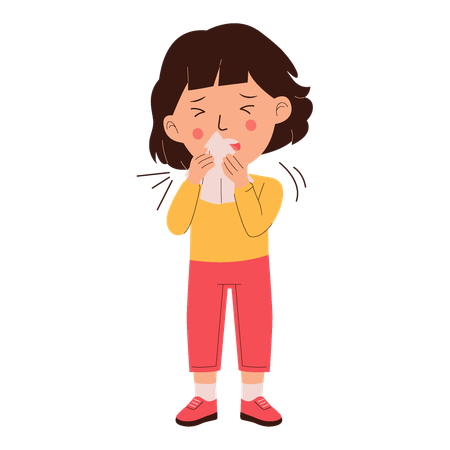
Feeling chilled, experiencing high temperature, shivering, headaches, muscle aches, dehydration, weakness, or fatigue usually signals the presence of fever.

For many people, the first reaction to fever is simple: visit a medical store and buy paracetamol or another common fever medicine. It has become a routine response.

But have you ever asked yourself: What is fever?

Scientifically, fever is not a disease itself.

What Is Fever Scientifically?

Fever is generally considered a symptom and an adaptive defense mechanism in which the brain’s hypothalamus raises the body’s temperature set point. This process can help stimulate immune activity and make conditions less favorable for certain pathogens.

In simple words, fever may be one of the body’s natural tools for fighting infection.

Understanding what fever is can change the way we think about illness and recovery.

Is Fever Helping the Body?

This raises an important question:

If fever is helping us, should we always try to suppress it immediately?

Research suggests the answer may not always be yes.

As discussed in a BBC article titled β€œShould You Always Treat a Fever? The Symptom That Puzzled Doctors for Millennia” (23 October 2025), some experts suggest that mild fever may sometimes be allowed to run its course because it can contribute to the body’s immune response.

Professor Mauro Perretti noted:

β€œIn the case of mild fevers, it can be better in some circumstances to let them do their job.”

This perspective helps us better understand what fever actually does inside the body.

When Should Fever Be Treated?

However, context matters.

Fever-reducing medicines can relieve discomfort and may be important in many situations. High fever, persistent fever, severe symptoms, young children, older adults, and people with medical conditions often require medical guidance.

The message is not to avoid medicines.

The message is this:

Remember, fever is usually a symptom β€” not the illness itself.

Rather than automatically treating yourself based only on temperature, try to understand what may be causing the fever and seek professional medical advice when needed.

The 24-Hour Fever Rule

Health professionals commonly recommend the 24-hour fever rule, which states that individuals should remain at home until they have been fever-free for at least 24 hours without using fever-reducing medications such as paracetamol, acetaminophen, or ibuprofen.

In addition, returning to work, school, or other public activities should only occur when overall symptoms are clearly improving. This simple precaution helps reduce the spread of infectious illnesses and protects the health of others.

What Is Fever Trying to Tell You?

Sometimes the goal is not simply to lower the temperature β€” but to understand what your body may be trying to communicate.

Understanding what fever is may help people make more informed and balanced decisions about health and recovery

A Thought to Remember

“Natural forces within us are the true healers of disease.” β€” Hippocrates

Fever is not always an enemy to be defeated immediately. In many cases, it is evidence that the body’s remarkable defense system is actively working to protect us. While persistent or severe fever should never be ignored, understanding its purpose can help us respond more wisely and responsibly.

Listen to your body. Treat the cause, not just the temperature.Be Healthy. Be Safe. β€” Remas


Disclaimer: This article is intended for educational and informational purposes only and should not be considered medical advice. Always consult a qualified healthcare professional regarding any medical concerns, diagnosis, or treatment.

Ginger for Allergies: The Ancient Remedy That Science Is Finally Proving Right

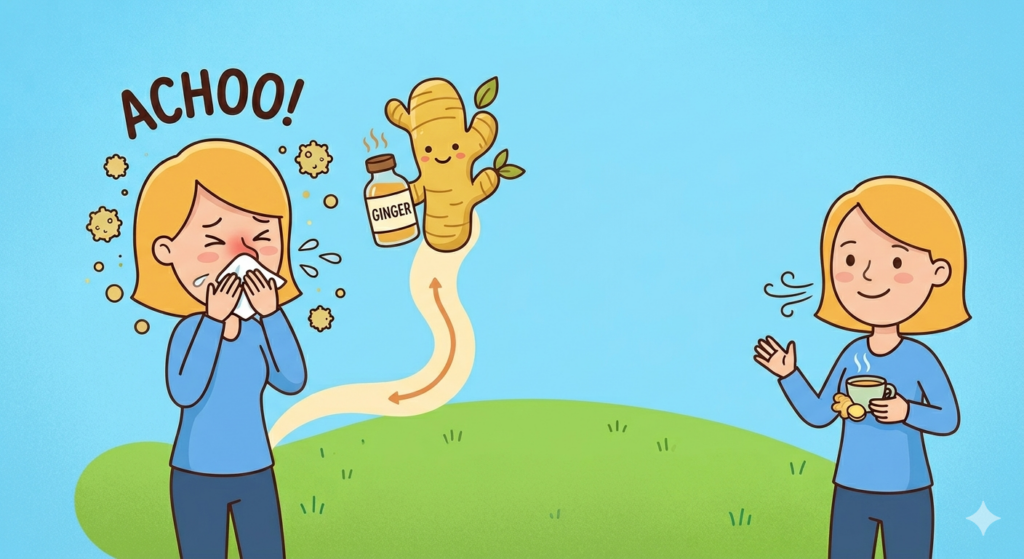
Ginger for allergies is not a new idea. Healers have used this root for thousands of years. But today, modern science is confirming what traditional medicine always knew. Ginger works β€” and the research explains exactly why.

Sneezing, itchy eyes, a runny nose. If you live with allergies, you know how much they drain your daily life. Most people reach for an antihistamine. But there is a natural, time-tested alternative worth knowing about. That alternative is ginger.

Why Ginger for Allergies Makes Sense

Ginger (Zingiber officinale Roscoe) has a long history in Ayurvedic medicine. Practitioners called it “universal medicine.” That label was not an exaggeration.

Ginger fights allergies, inflammation, nausea, fever, and pain. It also kills disease-causing fungi. Studies suggest it helps prevent stomach ulcers too. These are sores in the stomach lining that cause heartburn, indigestion, and discomfort. Ginger has even shown results in easing menstrual pain. Few plants do so much.

The secret lies in what ginger contains. It carries vitamin C, vitamin B6, magnesium, potassium, copper, and manganese. It also contains powerful polyphenols: gingerols, shogaols, paradols, zingiberene, and zingerone. These are among the most bioactive compounds found in any natural food. They give ginger its antioxidant strength. They also reduce lipid oxidation and ROS formation in the body. Both are linked to inflammation and immune problems.

Ginger for Allergies: What a 2016 Study Found

Researchers at the National Library of Medicine studied ginger and allergic rhinitis in depth. The study β€” Prevention of allergic rhinitis by ginger and the molecular basis of immunosuppression by 6-gingerol through T cell inactivation β€” was published in the Journal of Nutritional Biochemistry in January 2016.

Allergies are rising worldwide. The main driver is IgE-mediated hypersensitivity. This is when the immune system overreacts to harmless substances. It triggers sneezing, inflammation, and nasal congestion. The researchers wanted to know if ginger β€” specifically its active compound 6-gingerol β€” could stop this reaction.

The results were clear. A diet with just 2% ginger reduced allergic rhinitis symptoms significantly. Mice sneezed less. They had less nasal rubbing. Mast cell infiltration in the nasal mucosa dropped. IgE levels in serum fell too. These are all key markers of allergic response.

At the cellular level, 6-gingerol blocked both Th1 and Th2 cytokines. It suppressed T cell growth. It stopped IL-2 production. In short, it put the brakes on the immune overreaction β€” before symptoms could take hold.

The conclusion was direct: 6-gingerol suppresses cytokine production for T cell activation. It does this without triggering further immune activity. The result is prevention or relief of allergic rhinitis symptoms.

Ginger does not just mask allergy symptoms. It targets the process that creates them.

Ginger as a Daily Wellness Habit

Allergy relief is just one benefit. Ginger also supports gut health, reduces inflammation, and protects against oxidative stress. It works well every day β€” not only during allergy season.

Modern life puts stress on the body. Pollution, processed food, and poor sleep all take a toll. Ginger offers gentle, natural daily support. Cultures around the world have trusted it for thousands of years. That trust is now backed by science.

At Remas, we share that respect for ginger. We follow the words of Hippocrates:

“Let food be thy medicine and medicine be thy food.”

Remas “Be Easy” β€” Ginger and Honey for Daily Wellness

Remas “Be Easy” combines the power of ginger and honey in one daily food supplement. Both ingredients carry centuries of traditional use. Both now have science behind them.

If you want natural support for allergies, digestion, and everyday vitality β€” Be Easy was made for you.

Remain healthy, wealthy, and wise.

Try Remas “Be Easy” on Amazon or reach out to us at 9900194933.

Disclaimer: Remas “Be Easy” is a food supplement. It does not diagnose, treat, cure, or prevent any disease. It is not a substitute for professional medical advice. Please consult a qualified healthcare provider for any health concerns.

Asthma– Are You Treating the Symptom or Finding the Cause?

If you have asthma, the first thing to do is always consult a doctor and follow prescribed medication. That’s non-negotiable. But while medicine manages the reaction, it’s worth asking a quieter question: what’s causing the reaction in the first place?


It’s Not Germs. It’s Triggers.

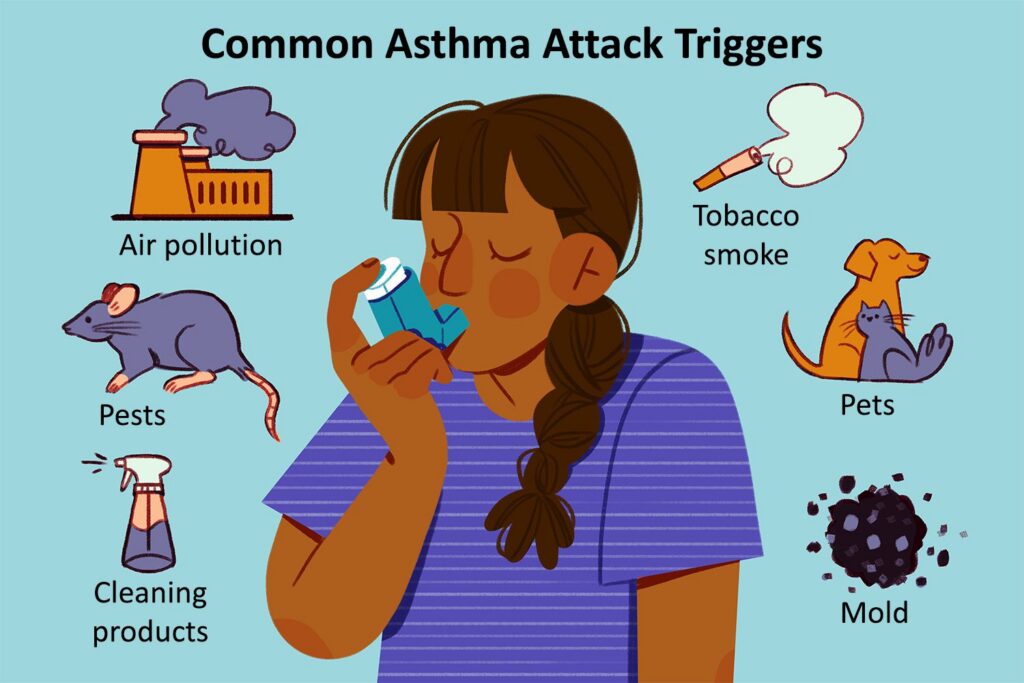
Asthma is a chronic inflammation of the airways β€” not an infection, not a weakness. It flares up when something irritates your system. That something is different for everyone, but common culprits include:

  • Dust and pollution
  • Strong smells or smoke
  • Certain foods
  • Pollen and allergens
  • Stress

Picture this: your neighbour starts roasting red chillies. The fumes drift in. Within minutes you’re sneezing, coughing, chest tight, reaching for your inhaler. The chillies didn’t cause your asthma β€” but they set it off.

When that happens, you have two options: suppress the reaction with medicine, or remove the trigger. Both are valid. But the second one, over time, means needing the first one less.


Control Is Possible

Deep breathing technique woman. Young girl with breathing exercise. Mental health care. Awareness and mindfulness and meditation. Cartoon flat vector illustration isolated on white background

Asthma may not always be fully cured, but it can be well-managed β€” better than most people currently experience. That means working with your doctor, yes, but also:

  • Learning what your specific triggers are
  • Making small adjustments to diet and lifestyle
  • Supporting your body so it’s less reactive to begin with

Your body signals discomfort through sneezing, coughing, digestive disturbances, fatigue. These aren’t random. They’re your body saying: something here doesn’t agree with me. Learning that language is one of the most underrated tools for better health.


The Rema’s Approach

At Rema’s, we believe in supporting the body through simple, natural, and honest ingredients. Our goal is straightforward:

  • Support digestion
  • Avoid unnecessary additives
  • Help maintain internal balance

Because better health isn’t only about adding more β€” sometimes it’s about removing what disturbs the body in the first place.

You can find our products here – https://www.amazon.in/s?k=Rema%27s&ref=bl_dp_s_web_0 or call us at 9900194933 to place your order


The Bottom Line

Treatment is essential. But awareness is powerful. When medicine and mindful living work together, that’s where true wellness begins.