What Is Fever? Illness or Your Body’s Defense System?
What Is Fever? Illness or Your Body’s Defense System?
Feeling chilled, experiencing high temperature, shivering, headaches, muscle aches, dehydration, weakness, or fatigue usually signals the presence of fever.
For many people, the first reaction to fever is simple: visit a medical store and buy paracetamol or another common fever medicine. It has become a routine response.
But have you ever asked yourself: What is fever?
Scientifically, fever is not a disease itself.
What Is Fever Scientifically?
Fever is generally considered a symptom and an adaptive defense mechanism in which the brain’s hypothalamus raises the body’s temperature set point. This process can help stimulate immune activity and make conditions less favorable for certain pathogens.
In simple words, fever may be one of the body’s natural tools for fighting infection.
Understanding what fever is can change the way we think about illness and recovery.
Is Fever Helping the Body?
This raises an important question:
If fever is helping us, should we always try to suppress it immediately?
Research suggests the answer may not always be yes.
As discussed in a BBC article titled “Should You Always Treat a Fever? The Symptom That Puzzled Doctors for Millennia” (23 October 2025), some experts suggest that mild fever may sometimes be allowed to run its course because it can contribute to the body’s immune response.
Professor Mauro Perretti noted:
“In the case of mild fevers, it can be better in some circumstances to let them do their job.”
This perspective helps us better understand what fever actually does inside the body.
When Should Fever Be Treated?
However, context matters.
Fever-reducing medicines can relieve discomfort and may be important in many situations. High fever, persistent fever, severe symptoms, young children, older adults, and people with medical conditions often require medical guidance.
The message is not to avoid medicines.
The message is this:
Remember, fever is usually a symptom — not the illness itself.
Rather than automatically treating yourself based only on temperature, try to understand what may be causing the fever and seek professional medical advice when needed.
The 24-Hour Fever Rule
Health professionals commonly recommend the 24-hour fever rule, which states that individuals should remain at home until they have been fever-free for at least 24 hours without using fever-reducing medications such as paracetamol, acetaminophen, or ibuprofen.
In addition, returning to work, school, or other public activities should only occur when overall symptoms are clearly improving. This simple precaution helps reduce the spread of infectious illnesses and protects the health of others.
What Is Fever Trying to Tell You?
Sometimes the goal is not simply to lower the temperature — but to understand what your body may be trying to communicate.
Understanding what fever is may help people make more informed and balanced decisions about health and recovery
A Thought to Remember
“Natural forces within us are the true healers of disease.” — Hippocrates
Fever is not always an enemy to be defeated immediately. In many cases, it is evidence that the body’s remarkable defense system is actively working to protect us. While persistent or severe fever should never be ignored, understanding its purpose can help us respond more wisely and responsibly.
Listen to your body. Treat the cause, not just the temperature.Be Healthy. Be Safe. — Remas
Disclaimer: This article is intended for educational and informational purposes only and should not be considered medical advice. Always consult a qualified healthcare professional regarding any medical concerns, diagnosis, or treatment.
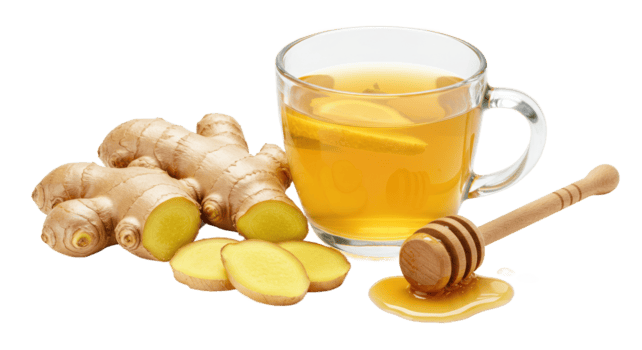
Long before wellness became an industry, it was a habit. In households across India, ginger and honey were kitchen staples — not because of a trend, but because generation after generation found they worked. Ayurveda recognised their value centuries ago. Today, modern research is beginning to explore what traditional wisdom has known all along: ginger and honey, together, are a genuinely powerful combination for everyday wellness.
Why Ginger and Honey Work So Well Together
These two ingredients complement each other naturally. Ginger brings warmth and active plant compounds. Honey brings nourishment and acts as a natural carrier, helping herbal ingredients blend smoothly and absorb more easily. Together, they have been used for centuries to support digestion, soothe the throat, and maintain everyday vitality.
Ginger — The Golden Root of Traditional Wellness
Ginger has been a cornerstone of traditional medicine for thousands of years. Its active compound, gingerol, gives it its characteristic warming quality and is responsible for many of its wellness properties. Traditionally, ginger has been used to support digestion, provide seasonal comfort, promote respiratory wellness, and help maintain overall vitality. Its warming nature makes it especially popular during monsoon season and colder months — times when the body needs a little extra support.
Honey — Nature’s Sweet and Nourishing Gift
Raw, natural honey is far more than a sweetener. It soothes the throat, provides natural energy, supports digestion, and has been used for centuries to complement herbal wellness preparations. Honey’s role as a natural carrier is particularly valuable — it helps active ingredients from herbs like ginger reach the body more effectively, making the combination stronger than either ingredient alone.
What Modern Research Is Finding
Scientific interest in ginger and honey is growing. A study published in the International Journal of Basic and Clinical Pharmacology explored the effects of a honey and ginger mixture in paediatric patients experiencing productive cough. The findings were encouraging — the combination showed meaningful improvement in symptoms with minimal adverse effects compared to conventional cough syrups. The researchers noted that the honey and ginger blend was generally well accepted and showed promising supportive benefits.
Traditional remedies are not a replacement for professional medical care. But findings like these highlight why natural wellness-supporting ingredients deserve serious attention.
“Let food be thy medicine and medicine be thy food.” — Hippocrates
That belief has guided healers for millennia. It guides us too.
Not All Products Are Equal — Choose Wisely
The wellness market is full of products making big promises. Not all of them deliver. When choosing a honey ginger product, look for honest ingredients, no unnecessary additives, and a brand that is transparent about what goes into the bottle. The best wellness products do not overclaim. They simply support your body with what nature already provides.
Introducing Remas Be Easy — Honey Ginger Elixir
At Remas, we do not believe in exaggerated promises. We believe in honest ingredients, mindful nourishment, and daily wellness rituals that fit naturally into life. That is why we created Remas Be Easy – Honey Ginger Elixir — a thoughtfully crafted blend designed to support your everyday wellness, simply and naturally.
How to take it for best results: Mix three teaspoons of Be Easy into one glass of warm water (not boiling). Stir thoroughly — honey tends to settle at the bottom if not mixed well. Take it in the morning on an empty stomach. Avoid tea or coffee immediately after. Wait two hours before breakfast. You can also take it before travel for digestive comfort.
Small daily habits create meaningful long-term change. This is one worth starting.
Disclaimer: Remas Be Easy is a food supplement intended to support general wellness. It is not intended to diagnose, treat, cure, or prevent any disease. Individuals with specific medical conditions should consult a qualified healthcare professional before use.
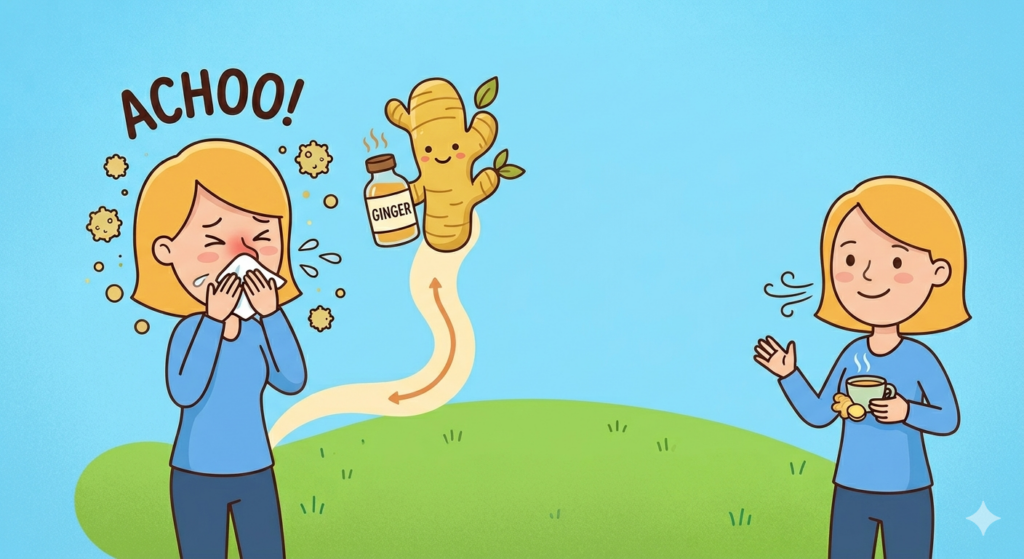
Ginger for allergies is not a new idea. Healers have used this root for thousands of years. But today, modern science is confirming what traditional medicine always knew. Ginger works — and the research explains exactly why.
Sneezing, itchy eyes, a runny nose. If you live with allergies, you know how much they drain your daily life. Most people reach for an antihistamine. But there is a natural, time-tested alternative worth knowing about. That alternative is ginger.
Why Ginger for Allergies Makes Sense
Ginger (Zingiber officinale Roscoe) has a long history in Ayurvedic medicine. Practitioners called it “universal medicine.” That label was not an exaggeration.
Ginger fights allergies, inflammation, nausea, fever, and pain. It also kills disease-causing fungi. Studies suggest it helps prevent stomach ulcers too. These are sores in the stomach lining that cause heartburn, indigestion, and discomfort. Ginger has even shown results in easing menstrual pain. Few plants do so much.
The secret lies in what ginger contains. It carries vitamin C, vitamin B6, magnesium, potassium, copper, and manganese. It also contains powerful polyphenols: gingerols, shogaols, paradols, zingiberene, and zingerone. These are among the most bioactive compounds found in any natural food. They give ginger its antioxidant strength. They also reduce lipid oxidation and ROS formation in the body. Both are linked to inflammation and immune problems.
Allergies are rising worldwide. The main driver is IgE-mediated hypersensitivity. This is when the immune system overreacts to harmless substances. It triggers sneezing, inflammation, and nasal congestion. The researchers wanted to know if ginger — specifically its active compound 6-gingerol — could stop this reaction.
The results were clear. A diet with just 2% ginger reduced allergic rhinitis symptoms significantly. Mice sneezed less. They had less nasal rubbing. Mast cell infiltration in the nasal mucosa dropped. IgE levels in serum fell too. These are all key markers of allergic response.
At the cellular level, 6-gingerol blocked both Th1 and Th2 cytokines. It suppressed T cell growth. It stopped IL-2 production. In short, it put the brakes on the immune overreaction — before symptoms could take hold.
The conclusion was direct: 6-gingerol suppresses cytokine production for T cell activation. It does this without triggering further immune activity. The result is prevention or relief of allergic rhinitis symptoms.
Ginger does not just mask allergy symptoms. It targets the process that creates them.
Ginger as a Daily Wellness Habit
Allergy relief is just one benefit. Ginger also supports gut health, reduces inflammation, and protects against oxidative stress. It works well every day — not only during allergy season.
Modern life puts stress on the body. Pollution, processed food, and poor sleep all take a toll. Ginger offers gentle, natural daily support. Cultures around the world have trusted it for thousands of years. That trust is now backed by science.
At Remas, we share that respect for ginger. We follow the words of Hippocrates:
“Let food be thy medicine and medicine be thy food.”
Remas “Be Easy” — Ginger and Honey for Daily Wellness
Remas “Be Easy” combines the power of ginger and honey in one daily food supplement. Both ingredients carry centuries of traditional use. Both now have science behind them.
If you want natural support for allergies, digestion, and everyday vitality — Be Easy was made for you.
Disclaimer: Remas “Be Easy” is a food supplement. It does not diagnose, treat, cure, or prevent any disease. It is not a substitute for professional medical advice. Please consult a qualified healthcare provider for any health concerns.